Works
Installation Views
Press Release
Minh Lan Tran Plasma February 20 – April 4, 2026
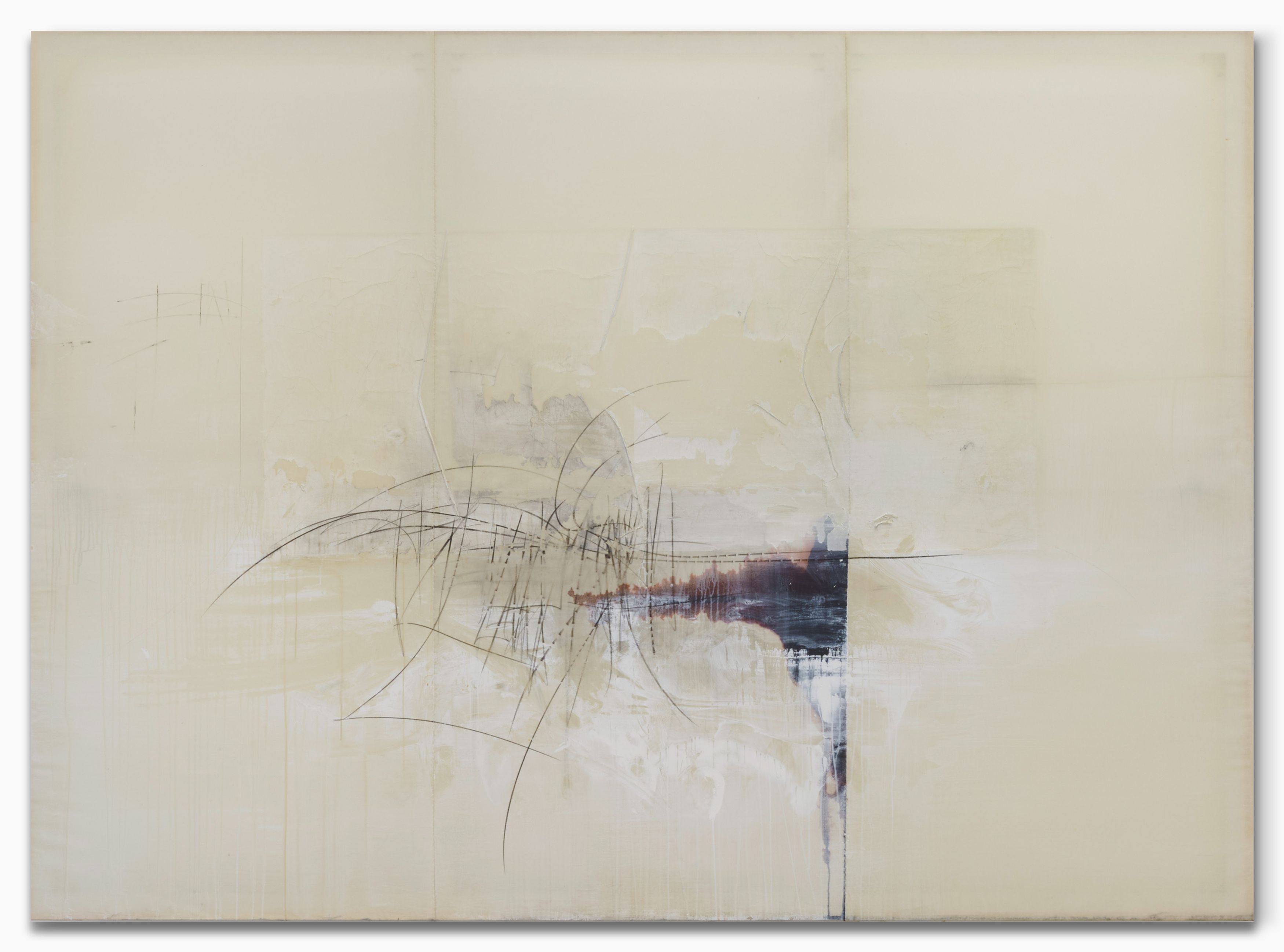
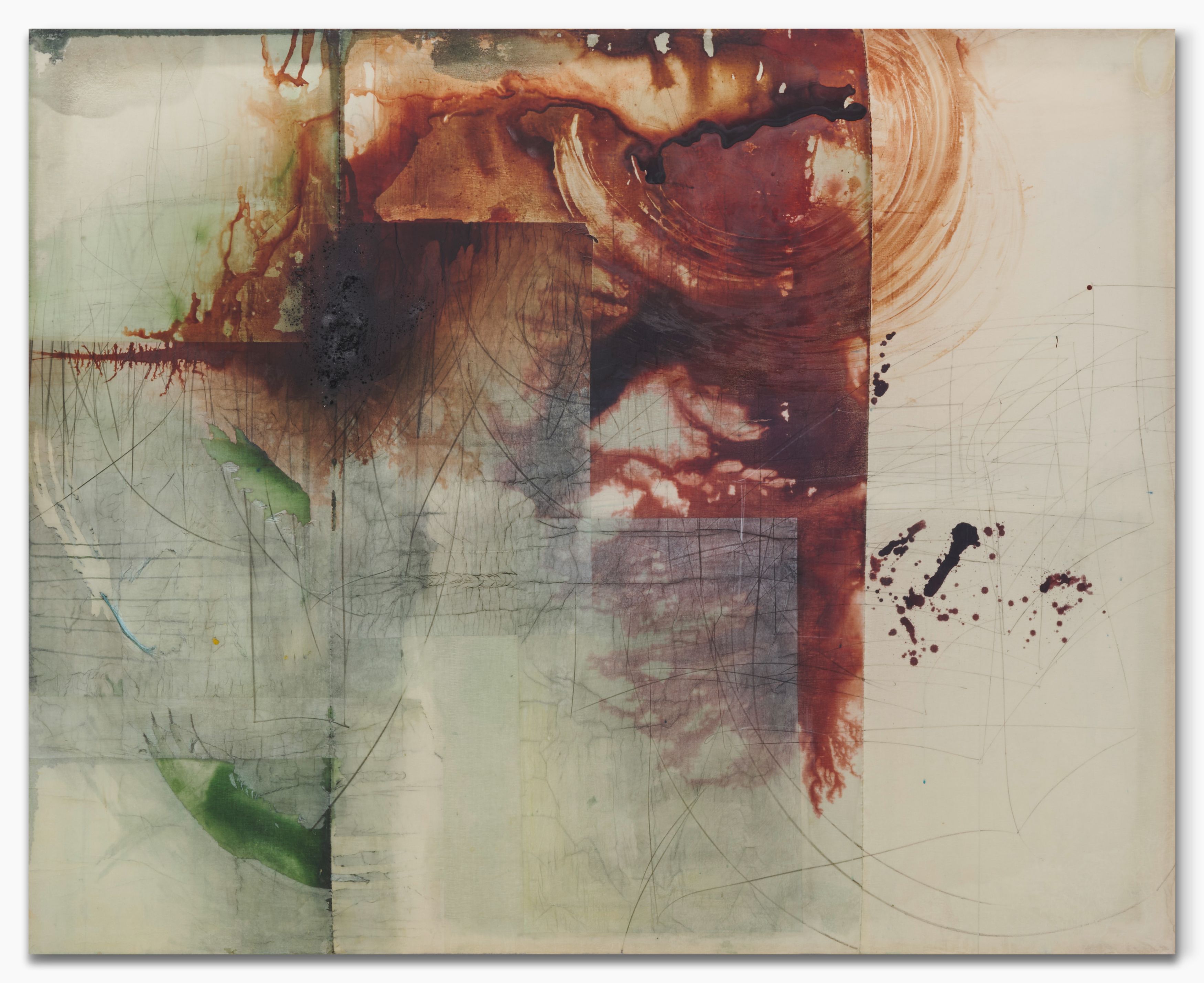
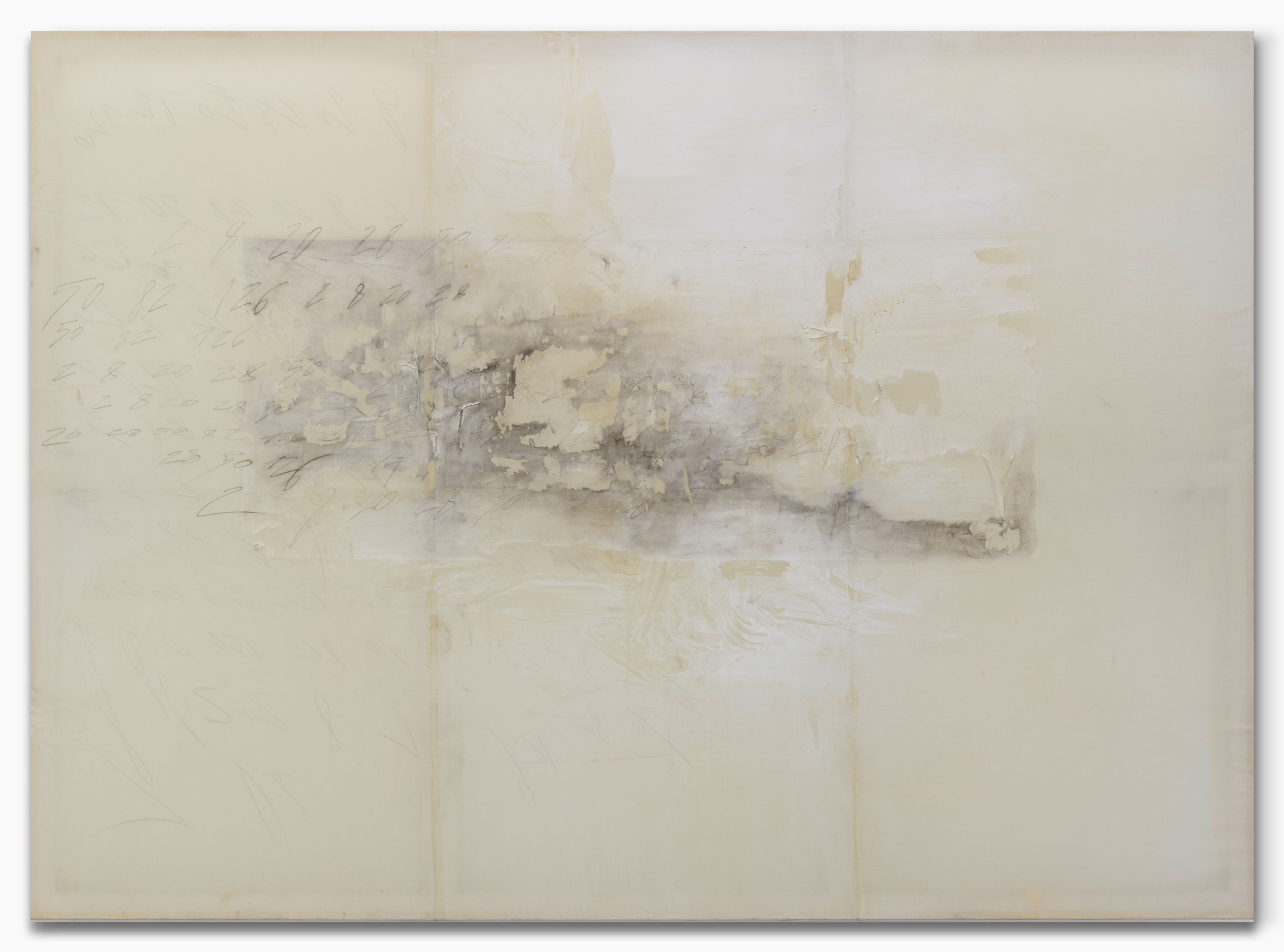
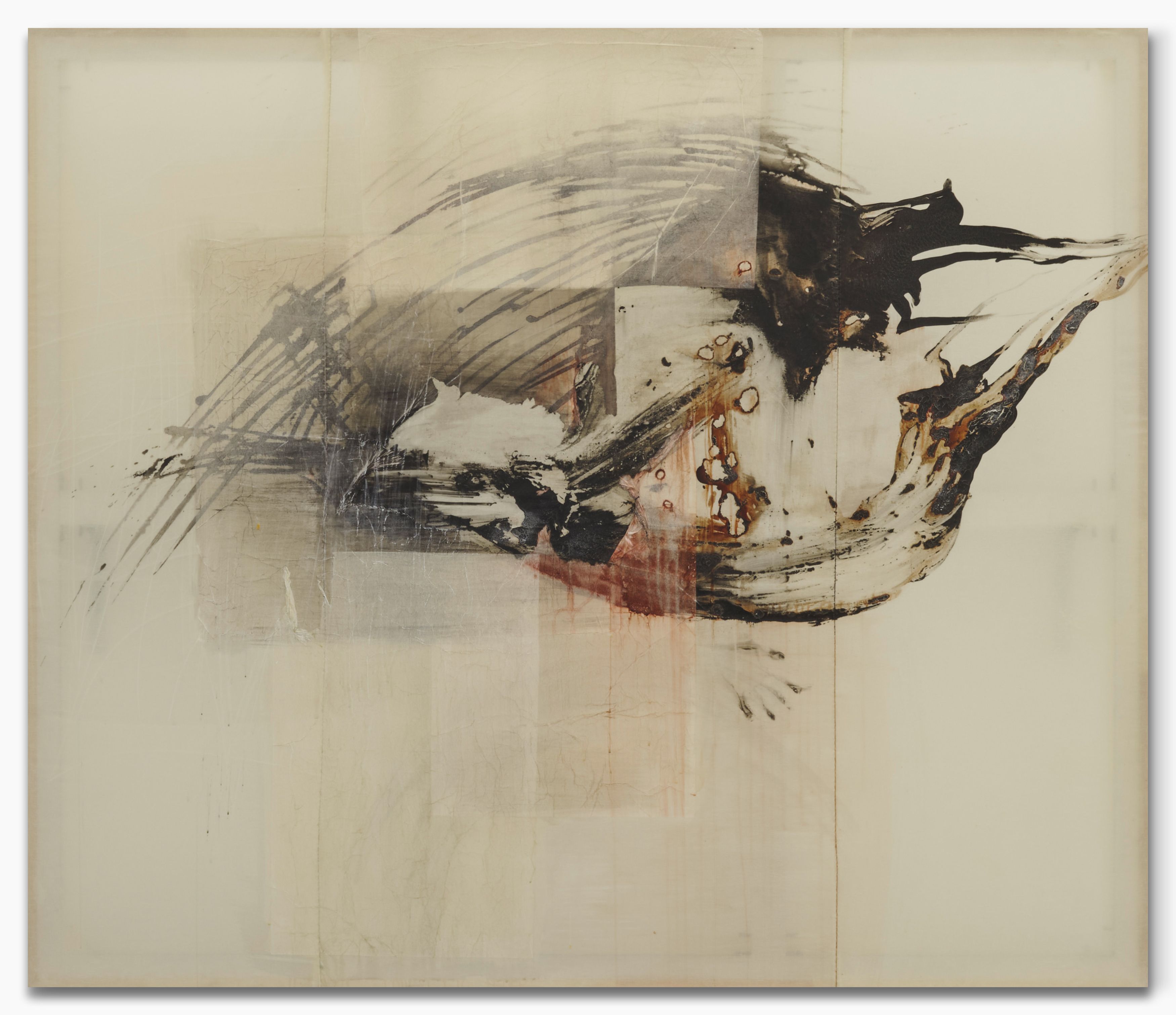
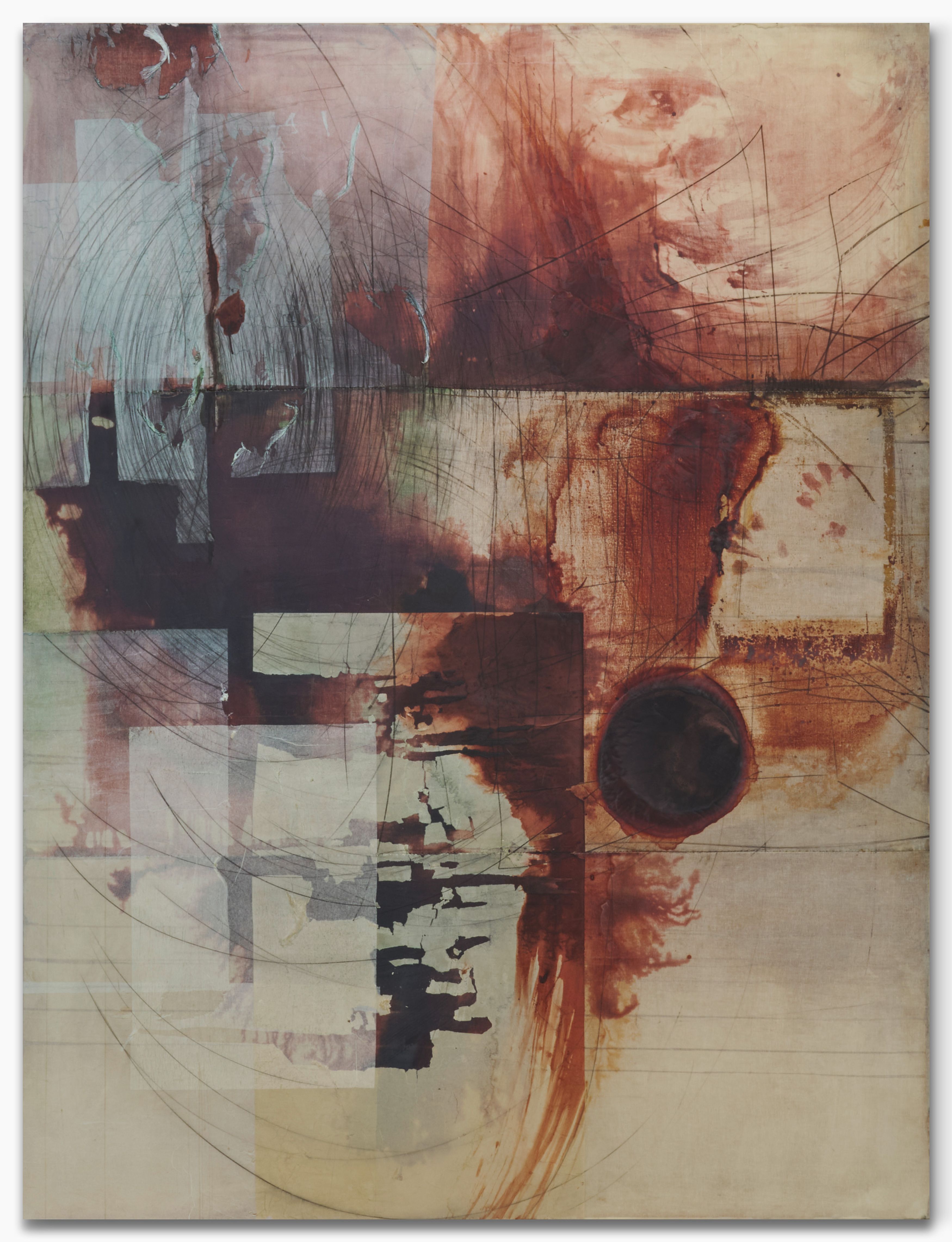
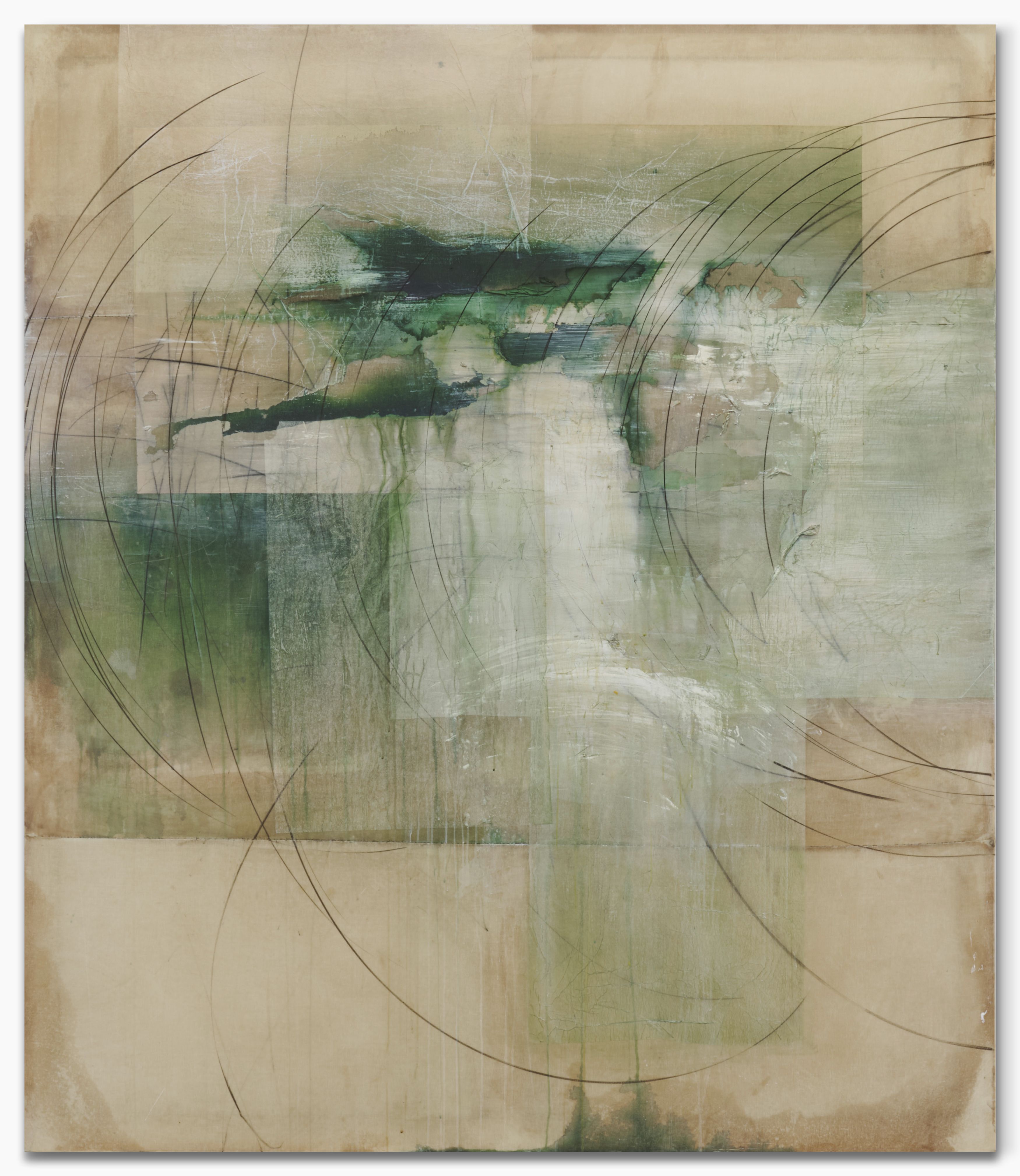
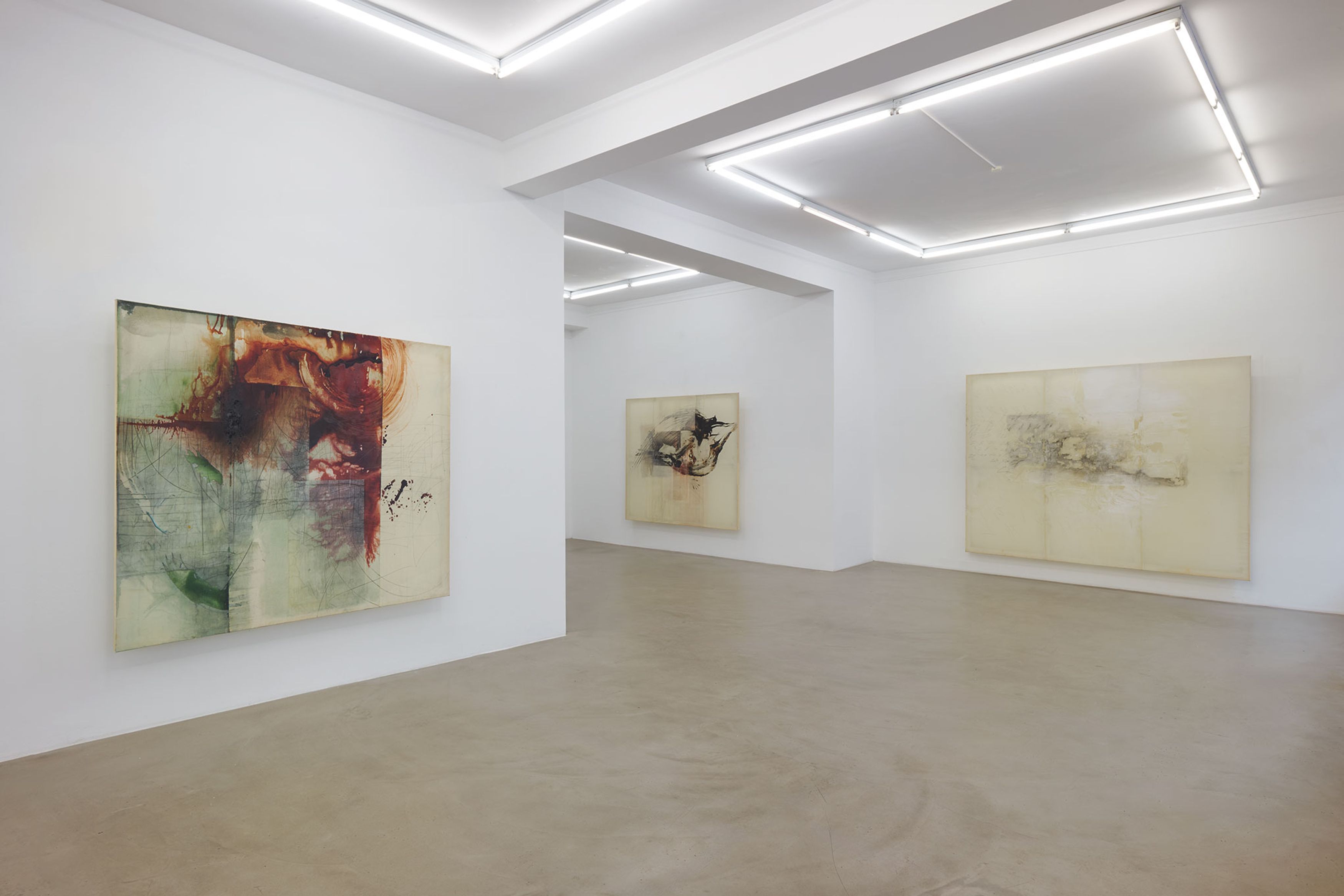
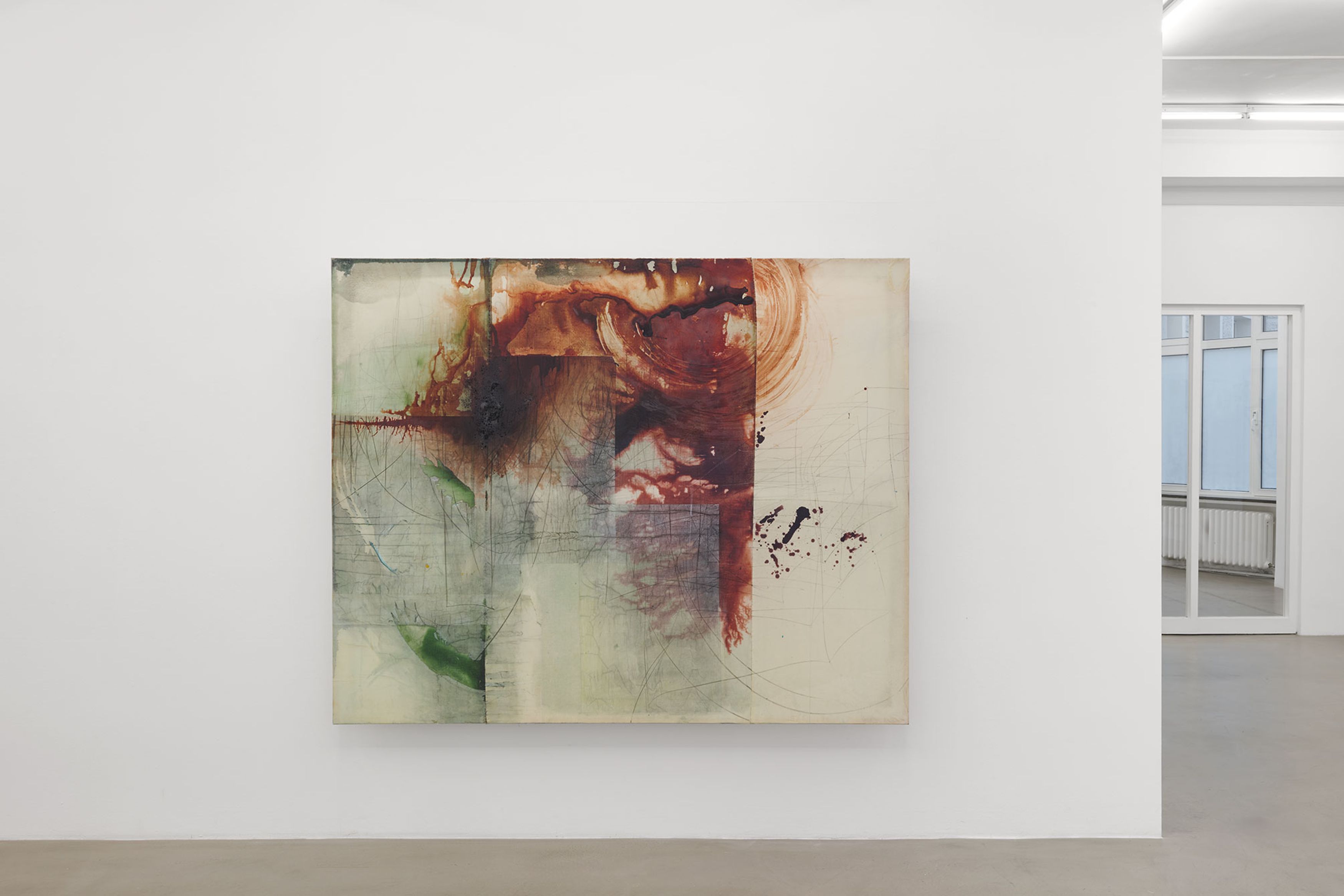
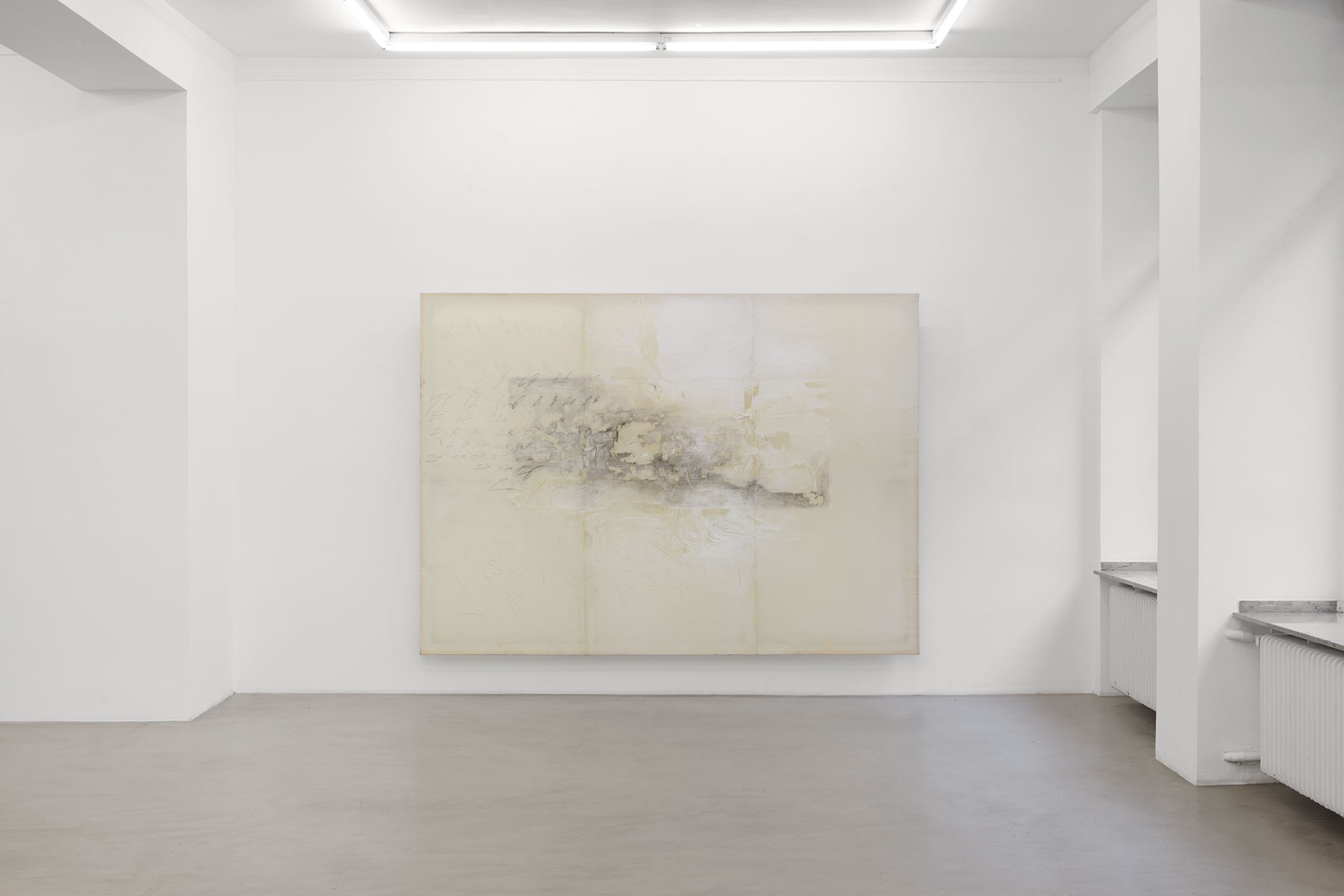
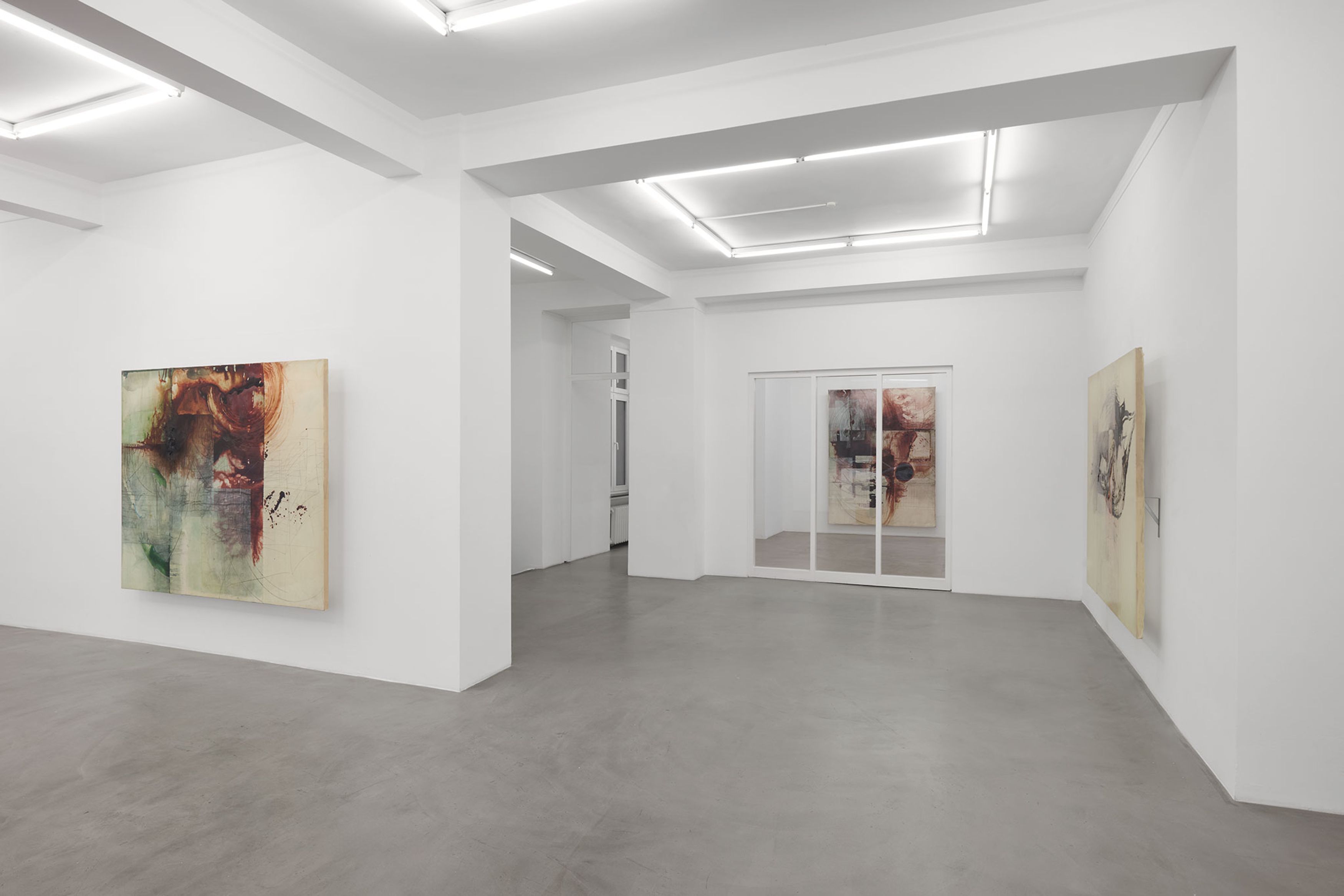
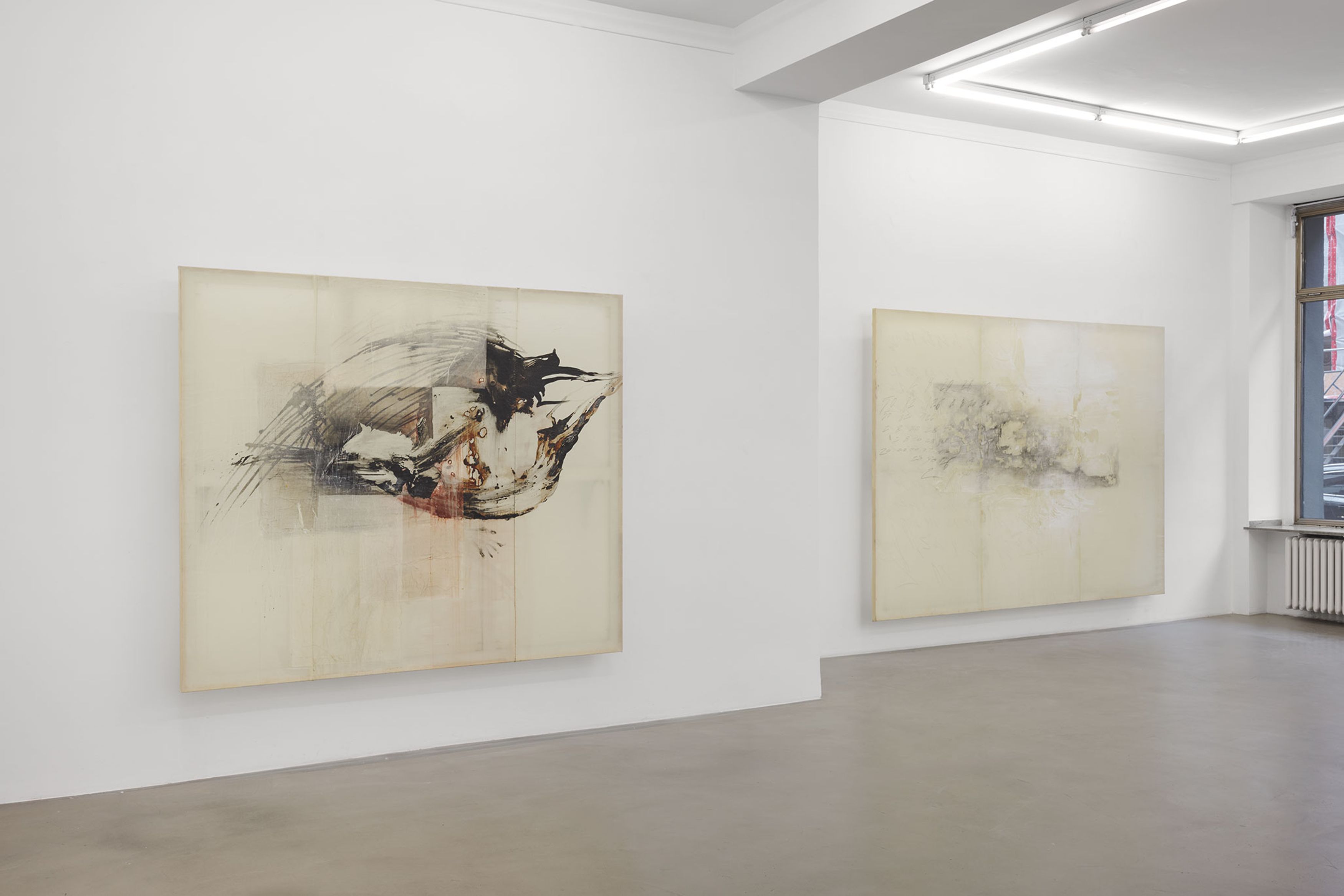
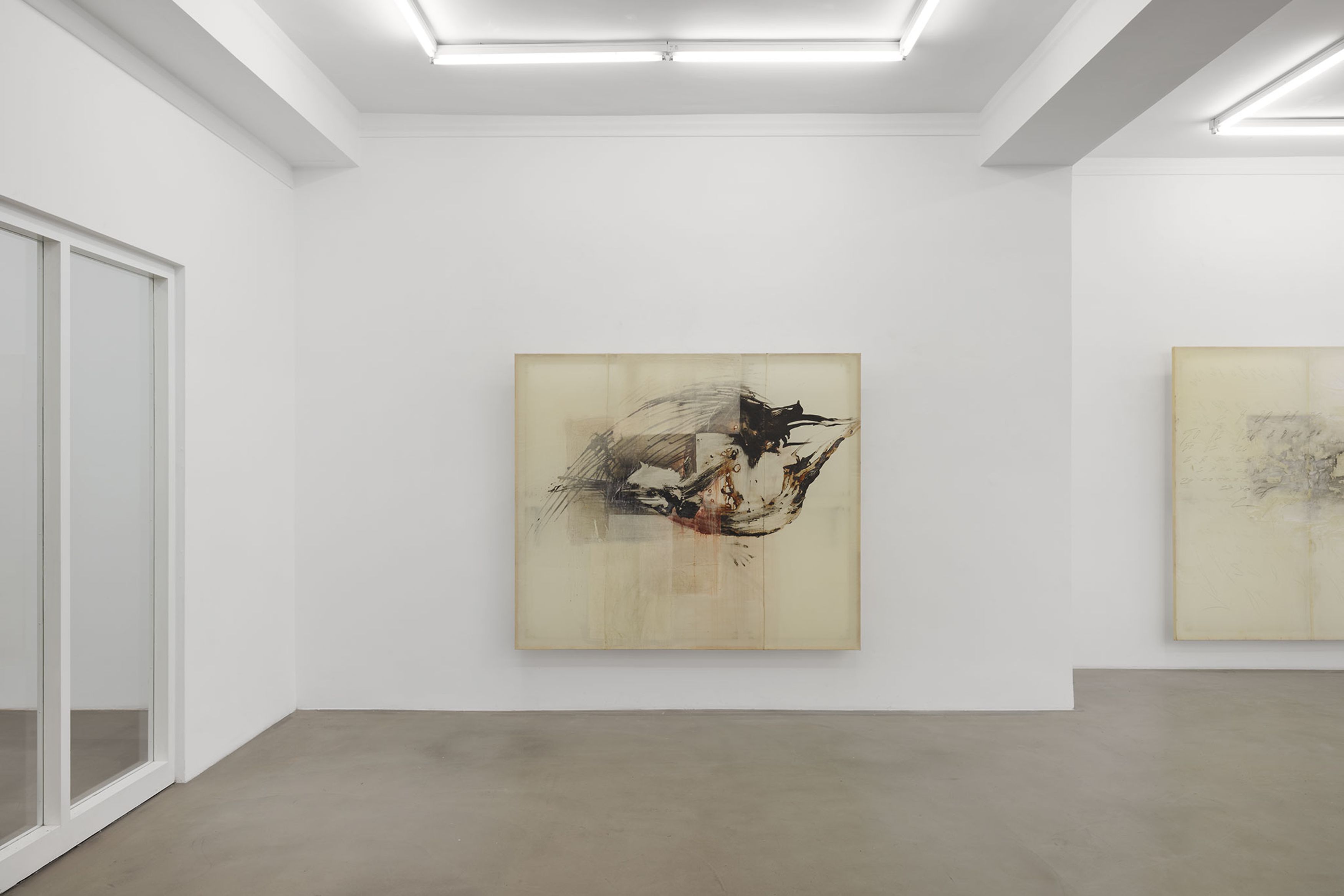
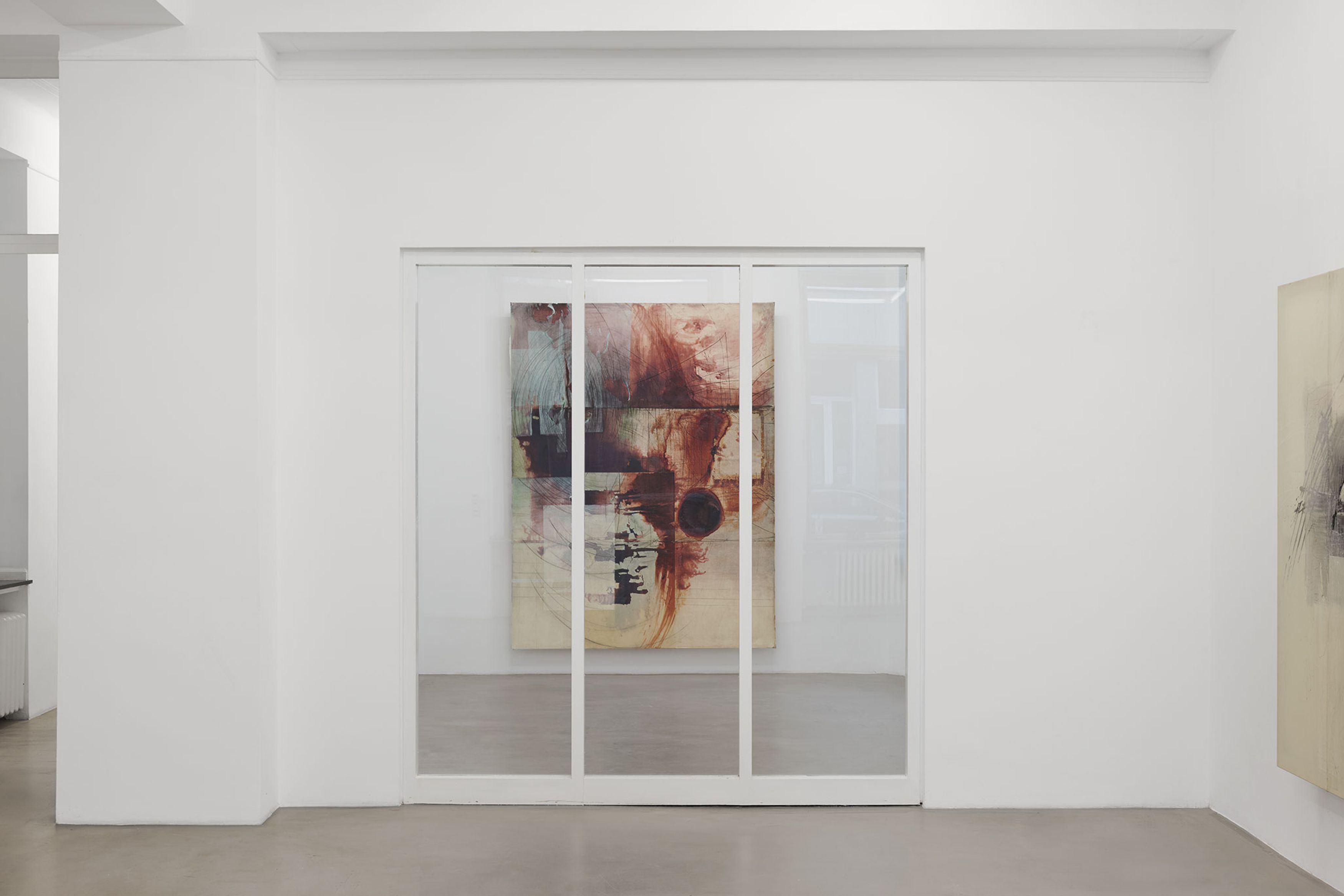
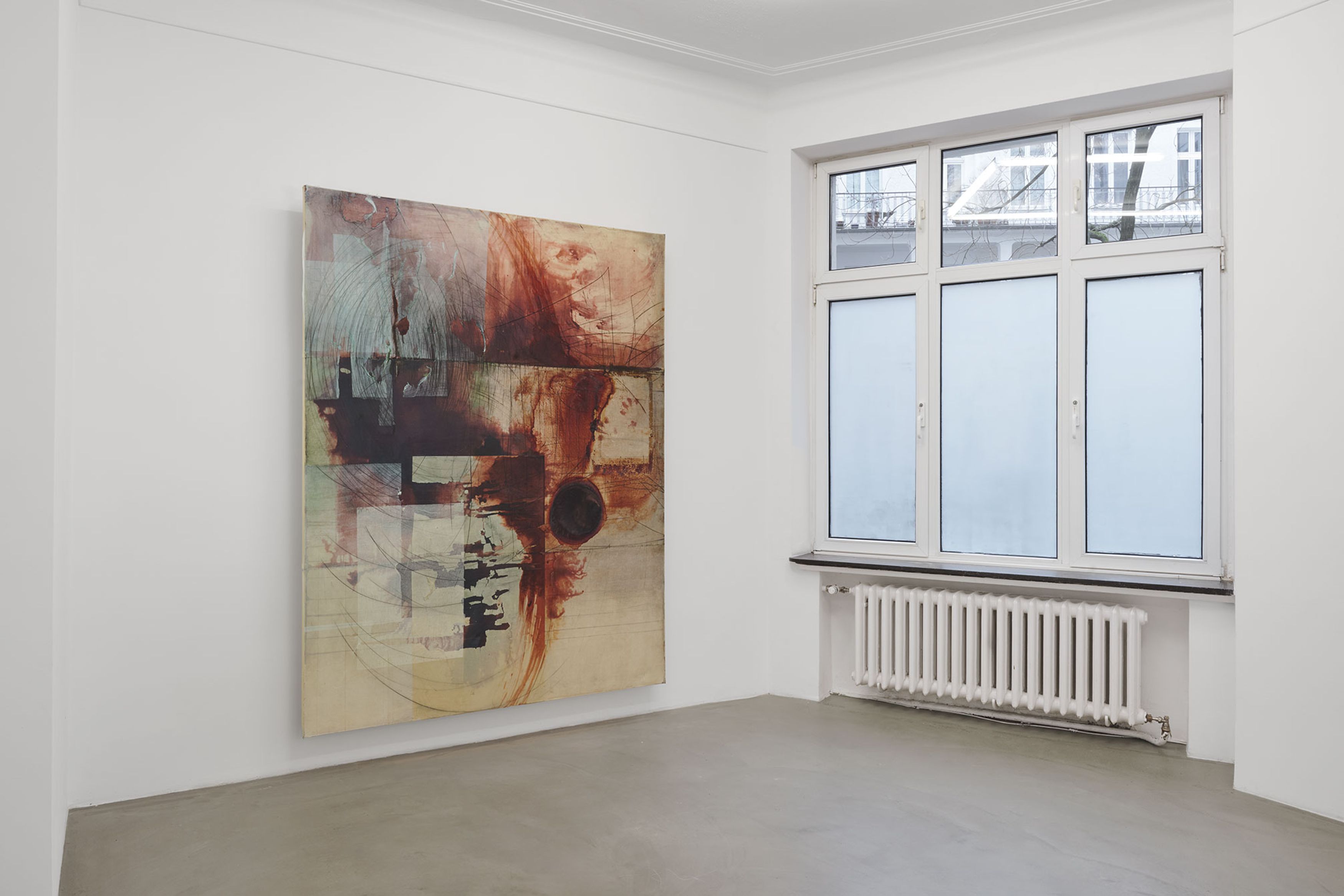
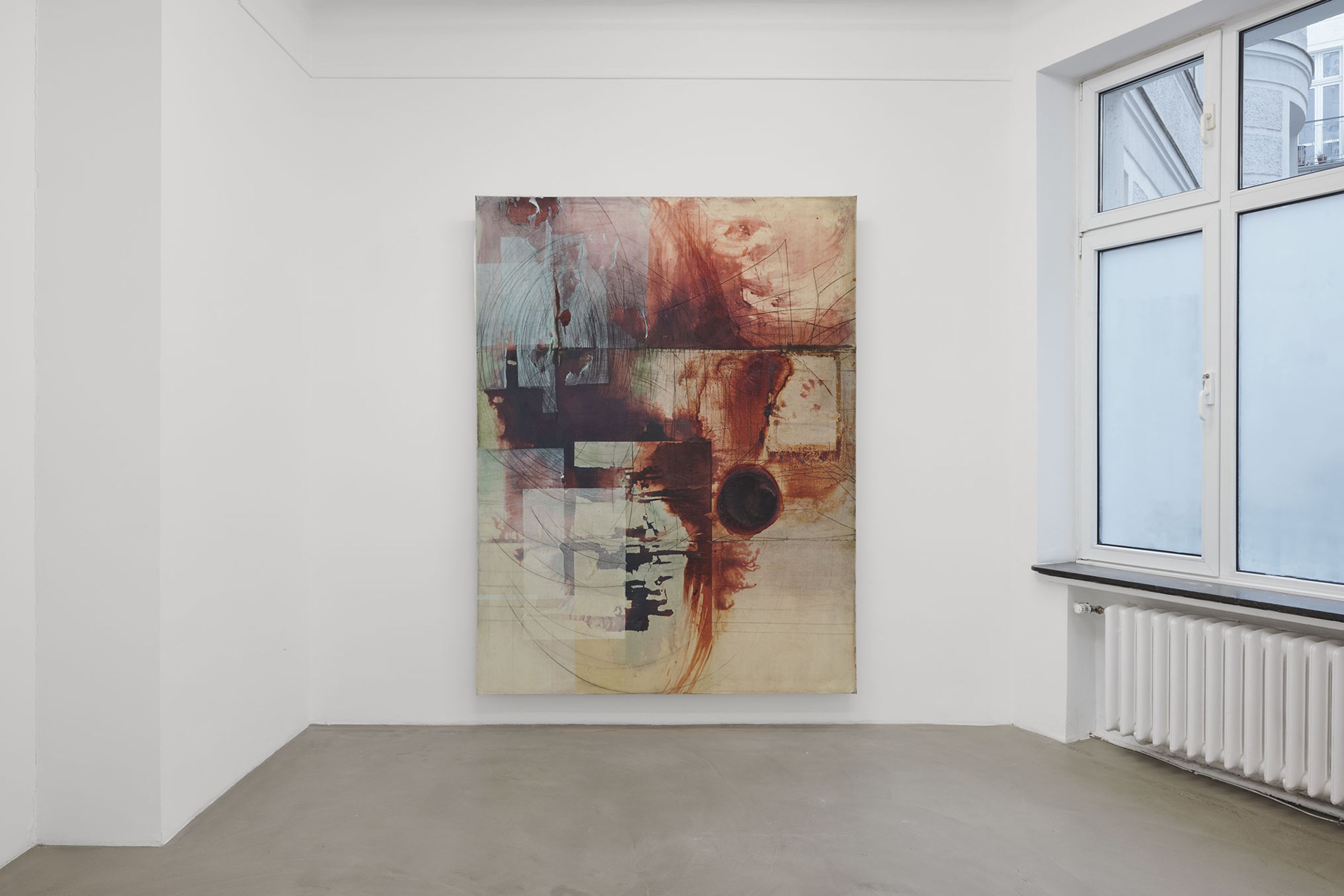
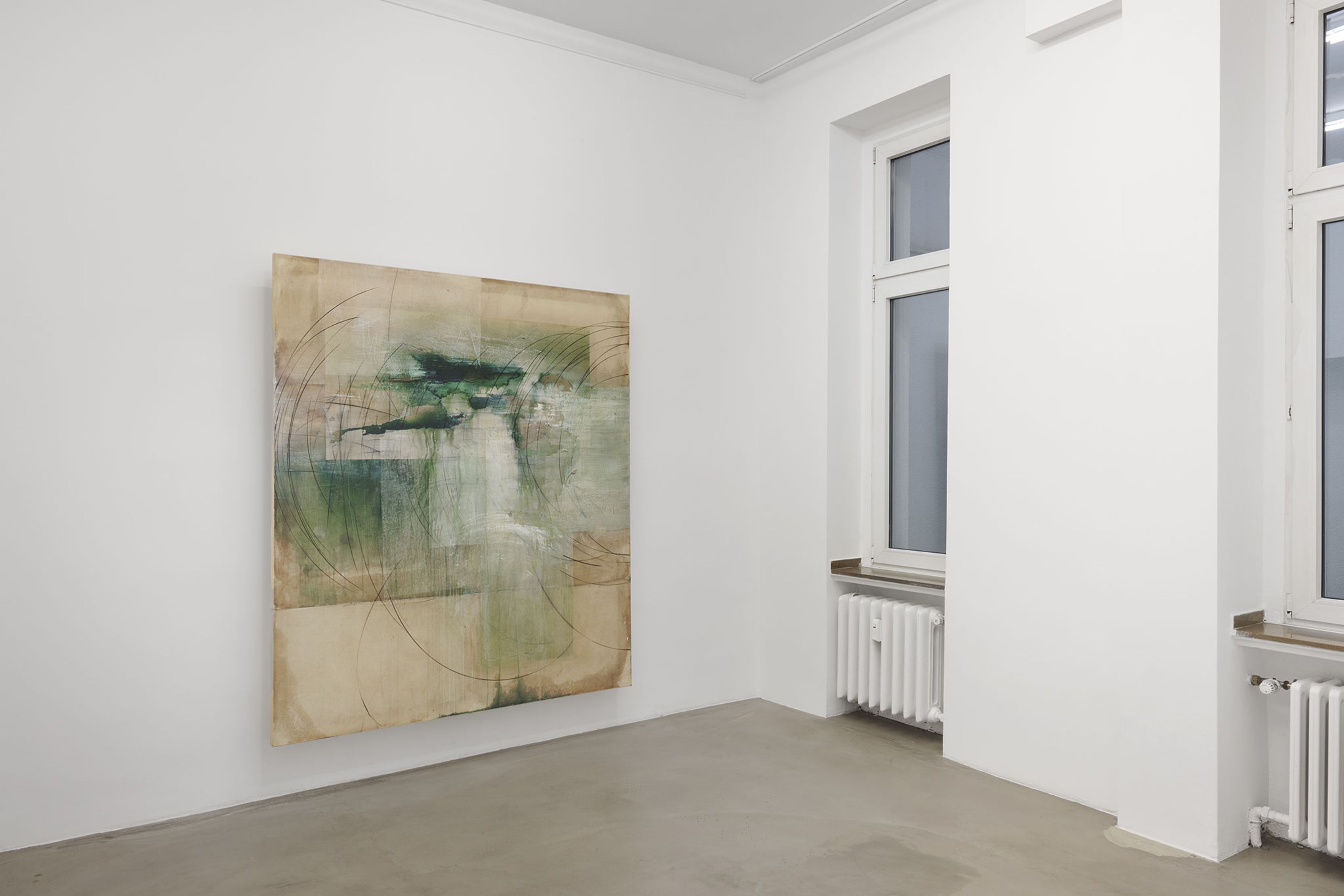
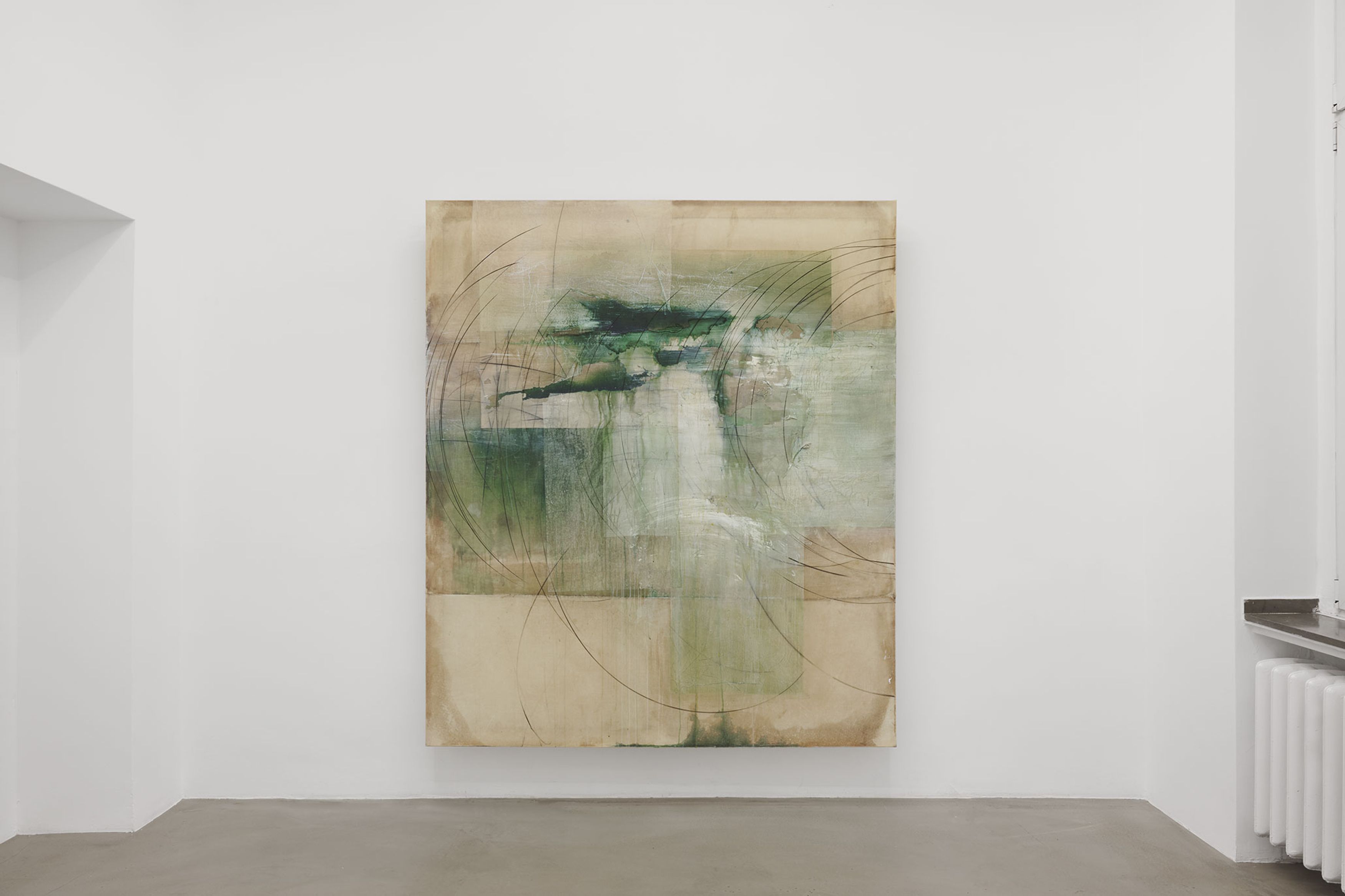
Sometimes a passage beneath the skin of the paint. Often the bursting of a kind of sludge, a primordial mud, an amniotic fluid of this very painting, in the courage of the gesture. Is more needed on the surface to become the place that simultaneously affirms and denies, a place that is polyphonic by nature, an incantatory place where opposing charges, inverse ponderations, even adverse temperatures are organized? A painting that is undoubtedly visceral, where depths encounter inhospitable air, where lava freezes and splits in the cold of ether. Minh Lan Tran’s painting carries a set of contradictions, of incompatibilities, like the grammatical phenomena of sentences on the verge of semantic coherence, quotations erasing their traces as they advance, the totalizing magnet, the desire for worlds, which the situating power of doing never ceases to deny. On this ridge: there always seems to be something in Minh Lan Tran’s painting that is in gestation, in the making. She speaks with ease of her responsibility to generate energy, to stand on the side of the living, to do nothing that seems dead, even if—contradiction again—no layer is pronounced without there being subsequent negation, damage, or reprobation of that layer. To undo the gesture is to complete it. It is likely that Minh Lan Tran’s mind will never repay this fundamental debt to the antipodes, the opposites of reality.
In this vein: she draws to the surface of her painting the extension of an experience, the trail of a memory that resists oblivion (as this or that reference will indicate), just as she calls for a plasmatic future, a future that is still warm, malleable, on the verge of finding its definitive form in the present (her interest in the atomic advances of our century, the impacts of a structure as small as the atom and its movements on a whole as large as the world, points in this direction). When moving away from appearances to focus on structural affinities, Minh Lan Tran’s painting resembles an equation with no solution, or with a double solution, which closes the problem at the same time as it celebrates it. Its surface is a place of both permanence and disappearance. It is not surprising that she has long held poetry, which incessantly recaptures language to renew the truth of the world, as a reference point. It is indeed in competition with silence that this painting comes into being; it does not speak, it is a muffled cry, a summons to eternity, profoundly contravened by the vertigo of emptiness and the vestiges of speech. Minh Lan Tran’s painting does not seek fulfillment. This acceptance of her impossibilities, of everything she is unable to do, is somehow Beckettian; it is precisely in this way, in contact with its own limitations, that the living grows. Here again, we come back to something mathematical: the limit of a function that it can only ever approach. The thrill, on this mode, lies in the “infrathin” (the Duchampian “inframince”) that separates an idea from its realization; the seduction resides in this caress.
Minh Lan Tran’s painting is certainly appealing; it does something to the eye that is akin to a gift, a tense, open communication. It seems propelled into reality; we sense that it is processual, but visually it forms a whole, an apparition. Insofar as there is seduction and communication, two comparable intentions that both pierce the walls between beings, there is a search, evasive but generous, sparing no effort as it sends them in distant directions, in search of a connection. Perhaps this is a major question in Minh Lan Tran’s painting: what does she do that expresses both bellicosity and hope? These issues, among which a balance that is called into question canvas after canvas, the death and survival of a surface sometimes traversed, sometimes resistant, are very subtle, almost fragile: more than ever, Minh Lan Tran paints on the edge.
- Guillaume Oranger